- News Ambassadors
- Posts
- A big push for small homes
A big push for small homes
A community comes together to bring homeownership within reach in East Baltimore



Shia Levitt, Lia Brazoban & Sheila Guo
April 10, 2026
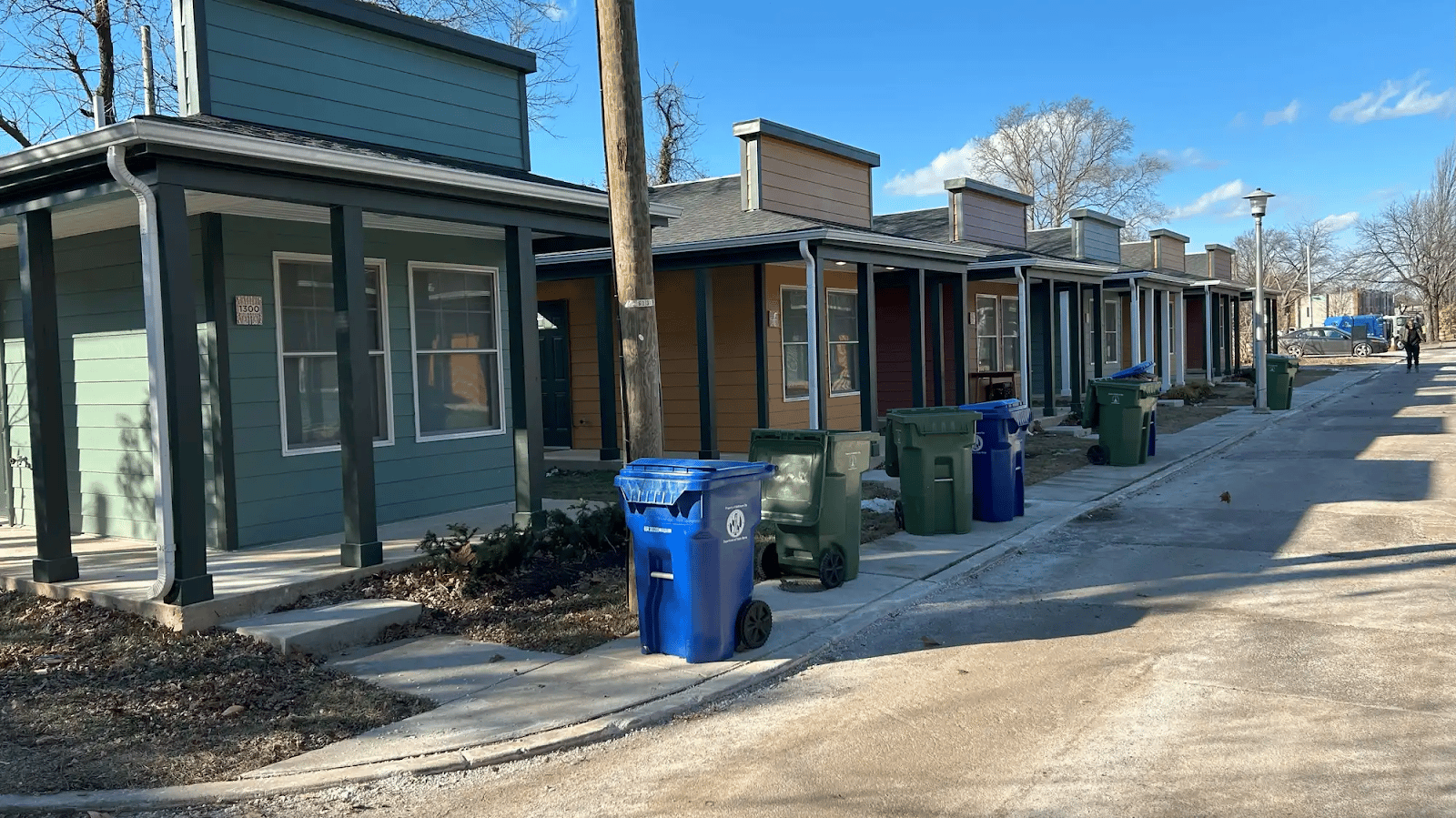
A community of tiny homes known as Hope Village in Baltimore that make homeownership more affordable for low-income buyers. (📸:Wambui Kamau)
We’re excited to catch you up on the News Ambassadors program and highlight the amazing work done by our partners. If you care about strengthening communities and better supporting democracy, you can help us by following us on Instagram and Linkedin, donating or forwarding this newsletter to a friend.
If this was forwarded to you, subscribe here to get future updates directly to your inbox.
📻One big story 📻
This spring we’ll be amplifying a few stories from our fall 2025 trainees, including mid- career public radio reporters from AIR’s New Voices in Public Radio Fellows cohort! WYPR Reporter Wambui Kamau’s piece explores how Baltimore residents, businesses and government came together to develop a block of tiny homes as a pathway to affordable homeownership for some low-income families. Each of Hope Village’s 13 homes cost just $150,000 to build, and each was eventually sold for $25,000 to local residents. About 14 percent of people in east Baltimore, Maryland live below the federal poverty line. So donors, including local businesses, churches and philanthropists, helped subsidize the 400-square-foot fully-furnished homes, which come with wraparound porches. They also have access to social services nearby.
Although no replica projects have yet broken ground, developers and non-profits continue to show interest in the tiny homes model for home ownership and continue to reach out to the city to explore whether they might replicate the concept in other small lots in Baltimore.
Broader context: Project organizers bought discounted vacant land through the city’s incentive “Vacants to Value” program, which offered a $10,000 boost to help people buy (or fix up) homes on lots that have been vacant for at least a year. Local philanthropists and organizers joined forces to support the project, raising donations from churches, neighbors, businesses and pro bono contractors, who helped get water/sewer lines ready. Local businesses donated to help furnish the homes, and the city of Baltimore contributed more than $100,000 to the effort. Organizers partnered with a real estate developer to finance the loans themselves. All home buyers were required to go through financial literacy counseling to help them secure their low monthly mortgages.
Why we like it: We love how Kamau includes the voices of people who are not only moving into stable housing, but also able to buy and own their own homes. After formerly experiencing homelessness, they now have a potential opportunity to accumulate generational wealth.
Tip: When reporting on responses to big problems like housing affordability, think about revisiting for a follow-up story after a year or several has passed to cover longer term outcomes beyond the early period after a response was implemented. Consider how limitations and insights may have shifted over time to share lessons others can apply to their own communities.
📣Listen to the Full Story here 📣
Note: This version aired nationally on Marketplace. An earlier version of Kamau’s story also aired locally on Baltimore Public Radio.
🔎What we've been up to in 2026🔎
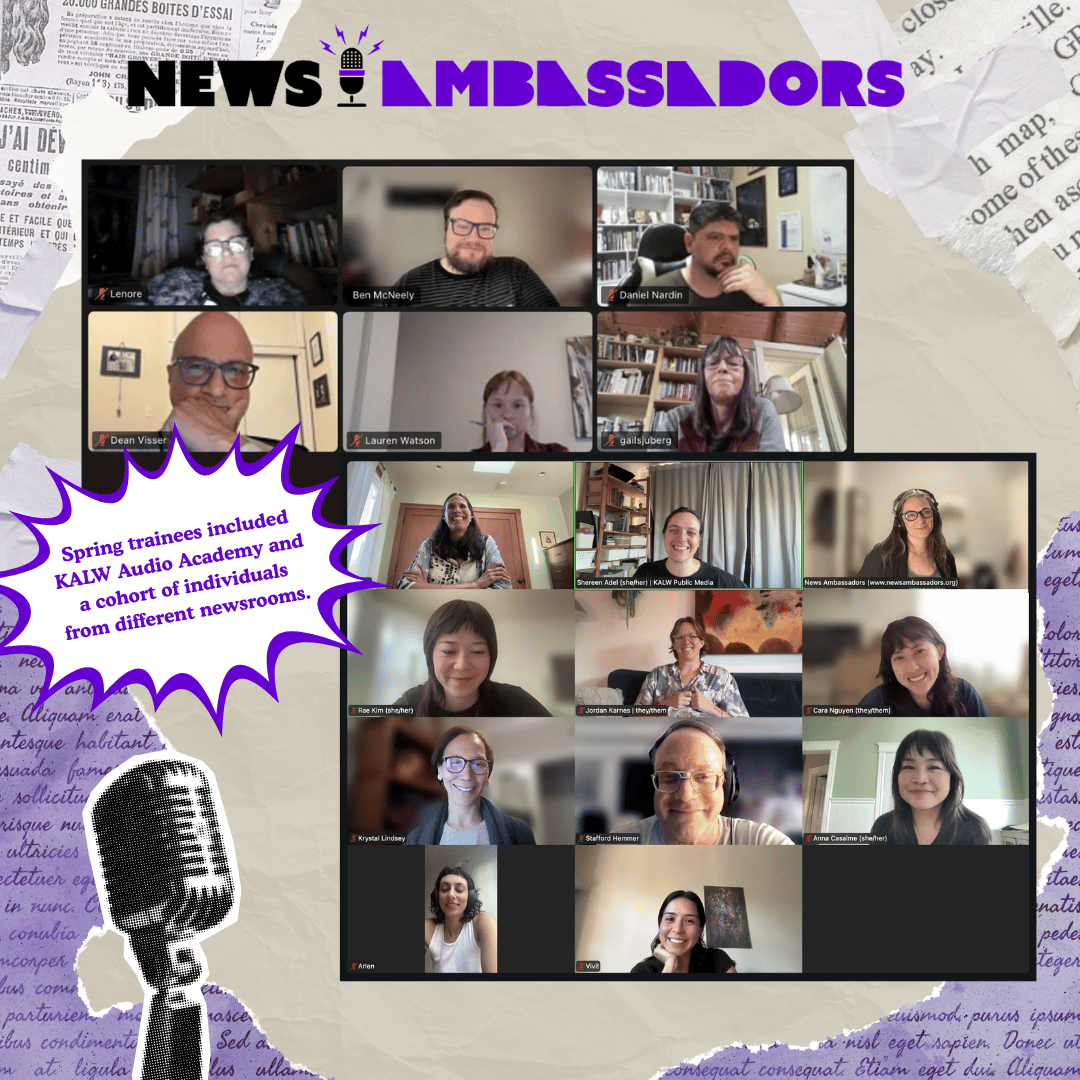
Shia here, Director of News Ambassadors. In March, we continued trainings and attended some gatherings with inspiring colleagues. We introduced student reporters at Morgan State University to Solutions Journalism (h/t to instructor Celeste Headlee!), trained student reporters at the American Collegiate Press Spring College Media Association's Conference in San Francisco and trained the 2025-26 cohort of KALW Audio Academy Fellows on Solutions Journalism, too. We also brought our depolarization reporting strategies training to folks whose newsrooms couldn't yet commit to staff-wide trainings — our first ever training open to individuals regardless of newsroom/school affiliation. (PS. If you missed our last training, you’ll have another chance to join us soon. We’ll be hosting one more depolarization reporting skills training open to individuals in late April. Check out the Events and Opportunities section below to register!)
Also in March, I was lucky to attend gatherings where I had the chance to connect with and learn from so many colleagues doing amazing work in journalism, youth civic engagement and community civic belonging, first as a delegate at the News Futures convention in San Francisco and then as a participant in the American Press Institute's Local News Summit in Florida focused on Youth Trust and Civic Resilience.
🌱Q & A with WYPR’s Wambui Kamau🌱
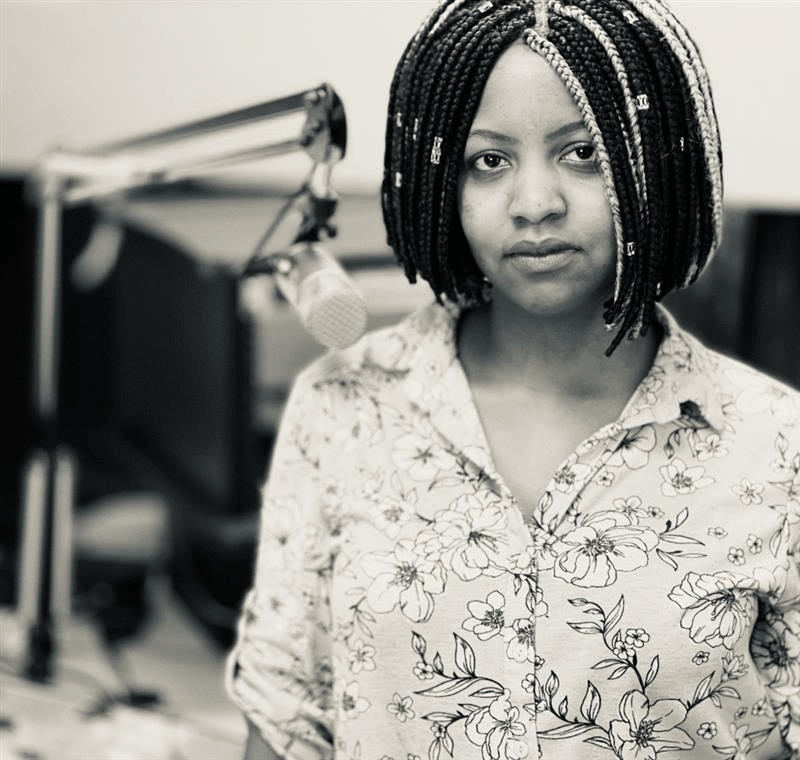
Baltimore Public Radio (WYPR) Reporter Wambui Kamau participated in News Ambassadors training this past fall as part of her AIR New Voices in Public Radio cohort. (📸:WCCO Radio)
Wambui Kamau attended a News Ambassadors training on depolarization reporting strategies with an introduction to Solutions Journalism while she was in AIR’s 2025-26 New Voices in Public Radio Fellowship for mid-level public radio professionals. Kamau reports for WYPR, Baltimore’s public radio station, and was excited to apply solutions journalism strategies to a recent story, featured in today’s newsletter.
What type of reporting do you want to bring to the communities you serve and what role do solutions play in your reporting?
I want my reporting to go beyond policy, centering the people most affected by them. For example, consider the Francis Scott Key Bridge, which collapsed in Baltimore two years ago after being struck by a cargo ship. Initial estimates put the cost at $1.6 billion, but by November 2025, Maryland’s Department of Transportation said the estimate had risen to more than $5 billion. While it’s important for taxpayers to understand what they may ultimately be asked to cover, I remind people that the greatest cost is the loss of human life. Six people died in the collapse.
I have also spent time with community members who point to other, less visible costs. These include the health impacts of increased traffic from diesel-powered tractor-trailers crowding local streets to move goods to the port and Tradepoint Atlantic.
Are there any ways in which your exposure to News Ambassadors has impacted your stories or the type of reporting you do or want to do?
I’ve always aimed to highlight the good happening in my community, but News Ambassadors has encouraged me to continue. It’s important to highlight stories that show not just problems, but progress and possibility.
Is there any advice you'd want to give students or professors whose stories may not yet be including solutions or depolarization tools?
When I wrote Hope Village, my inbox flooded. It is also the most viewed news story in the station's 24-year history! One piece of advice for professors: these stories sell. Some may hesitate to teach or encourage solutions journalism because they worry news directors care more about what “bleeds, leads.”
One piece of advice I’d give students is to start practicing solutions journalism or depolarization tools on your campus. For example, does the food pantry feed hungry students? How so? How could it do more? Is the administration open to that? Just start. Don’t wait for a “perfect” solution before dipping your toe in.
✨Resource Spotlight✨
Hey newsroom leaders! Are you looking to more meaningfully incorporate youth voices and perspectives into local news?
After the American Press Institute's Local News Summit on Youth Trust and Civic Resilience, we are excited to share this helpful resource created by API's Samantha Ragland, a leader of the inspiring two-day summit.
“Many news leaders want to move from youth participation to youth integration, and they have strong beliefs and reasons for doing so,” Ragland writes. “But they also have real constraints: Limited staff time, competing priorities, pressure to deliver on immediate metrics or impact.”
👀Check out Ragland’s 7 Steps to Redefine Youth Involvement in Local News Operations.👀
📆 Upcoming Events/Opportunities 📆
Want to join a News Ambassadors’ Depolarization Reporting Strategies training? News Ambassadors is again opening our next Depolarization Strategies training to individuals, including both journalists and non-journalists. Focused on the Complicating the Narratives method, the remote session will be a chance to build your listening and narrative skills around telling stronger stories of “we.” The training will be offered on a sliding scale with a suggested donation to News Ambassadors upon registration. »Learn more and REGISTER HERE«
Civic Renewal Meetup and Getdown! Our friends who launched the New Civic Future letter are hosting a gathering and party in Denver, Colorado April 15 and 16th, and you should check it out if you’re able to get there! A bunch of inspiring folks doing local place-based civic renewal work in their communities will be meeting to learn from (and party with) one another! »Visit New Civic Future to register«
Upcoming Solutions Journalism Trainings and Opportunities: Solutions Journalism Network has lots of FREE monthly Intro to Solutions Journalism trainings, events and opportunities. Go to their Events page, and select Training as the option. Their next two Solutions Journalism trainings are May 5 and June 16th!
» Register HERE for May 5 @6pm ET/3 pm PT training« » Register HERE for June 16th @9am ET / 6 am PT training«
Scripps Howard Journalism Fund: Fall 2026 and Spring 2027 Student Media Sustainability Challenge! »Apply by April 12, 2026«
Looking for a job in journalism? Check out the April Journalism jobs from Rebecca Aguilar’s Calling All Journalists list!
That’s all we have for this month folks. See you next month!